If you've ever stood at a construction site or scrolled through flooring options for your driveway, parking area, or garden pathway, chances are you've come across two very common names — paver blocks and chequered tiles. Both look similar at first glance. Both are made from concrete. And both promise durability. So naturally, the question that pops up is: which one should you actually go with?
Honestly, this is one of the most common questions we get asked at Goyal Cement Blocking, and it makes sense. Choosing the wrong flooring material can cost you money, time, and a whole lot of frustration a few years down the line when cracks, water logging, or uneven surfaces start showing up.
In this blog, we'll break things down in the simplest way possible — no heavy technical jargon, just real, practical information that helps you make the right call for your space.
What Exactly Is a Paver Block?
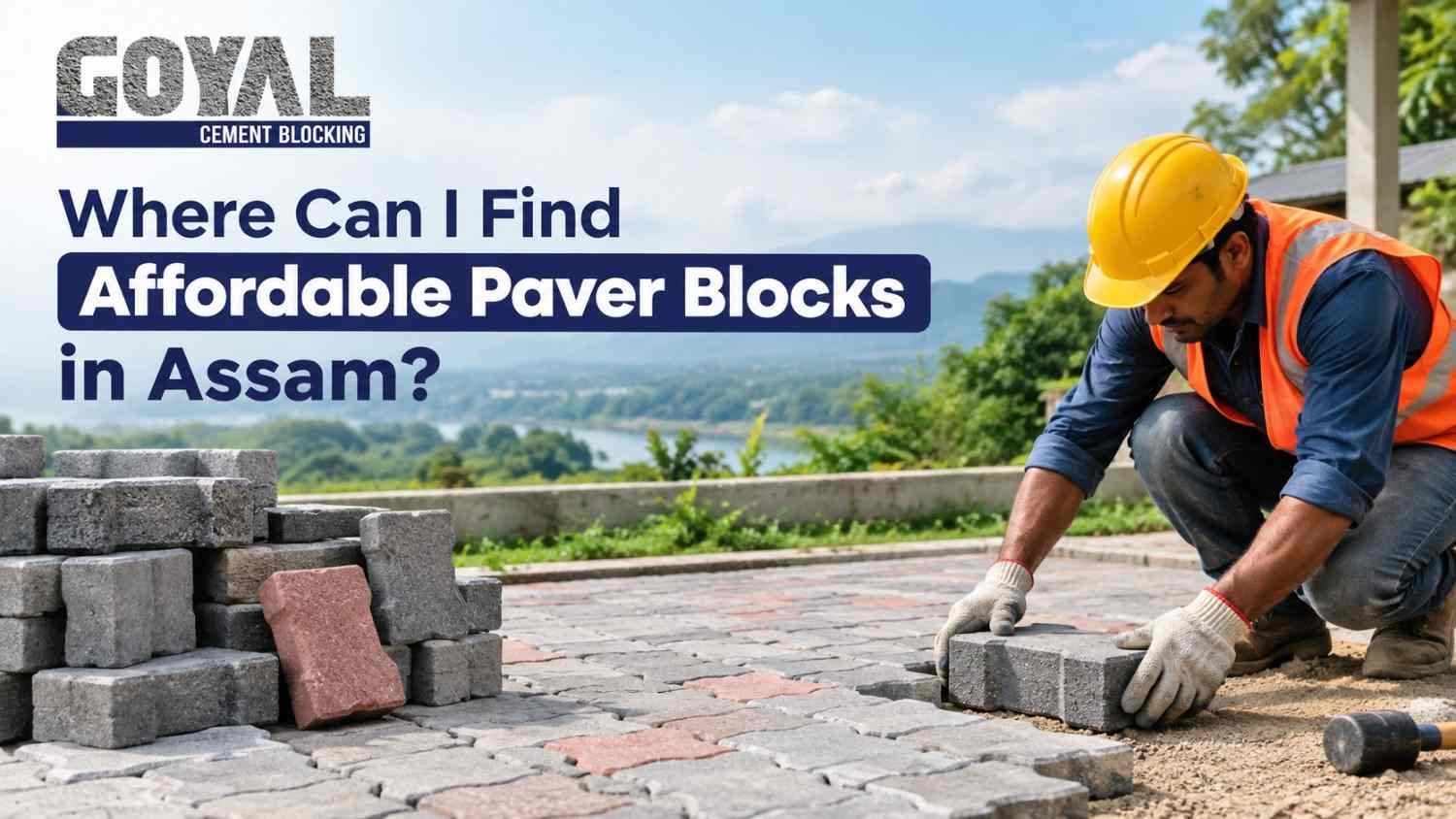
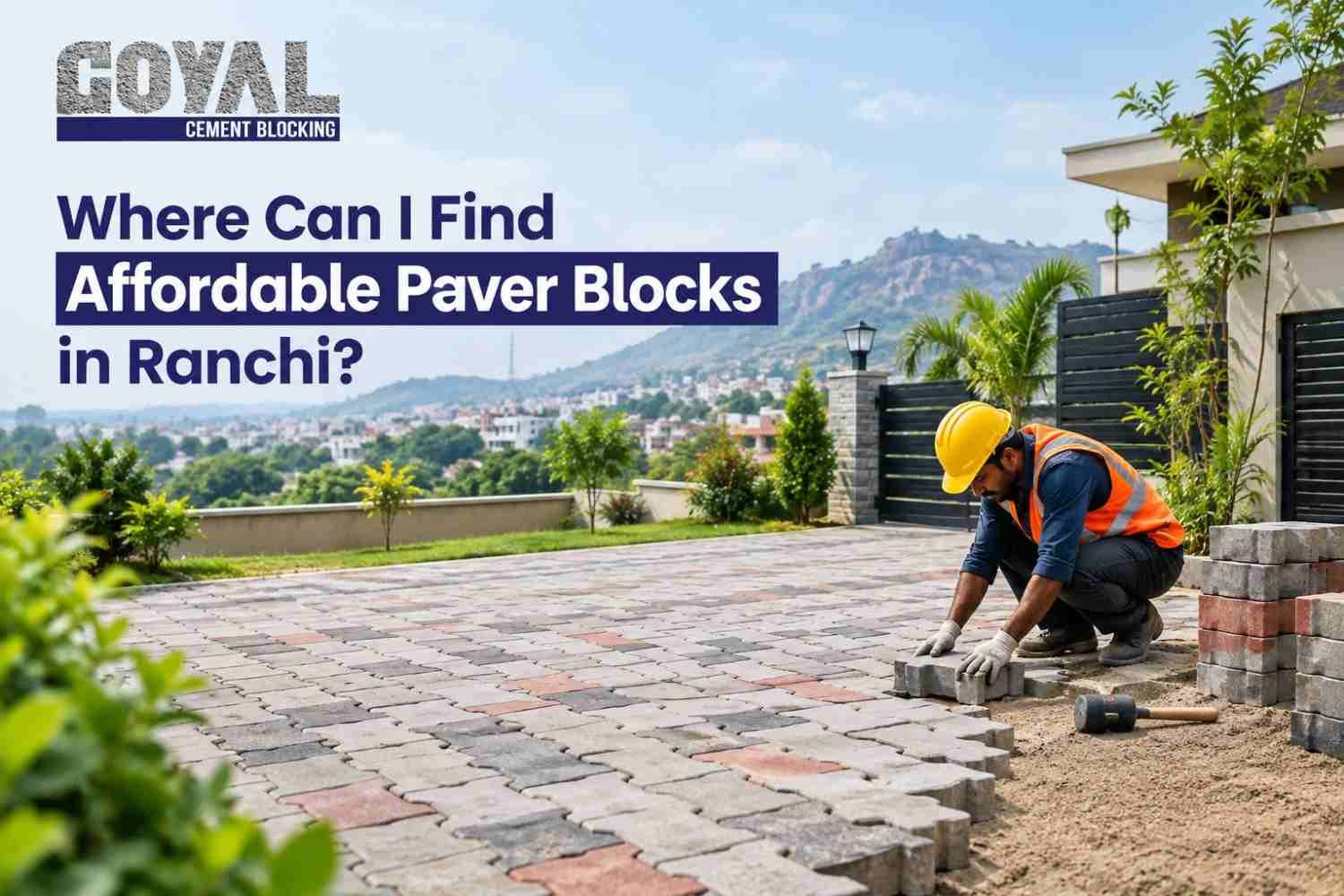
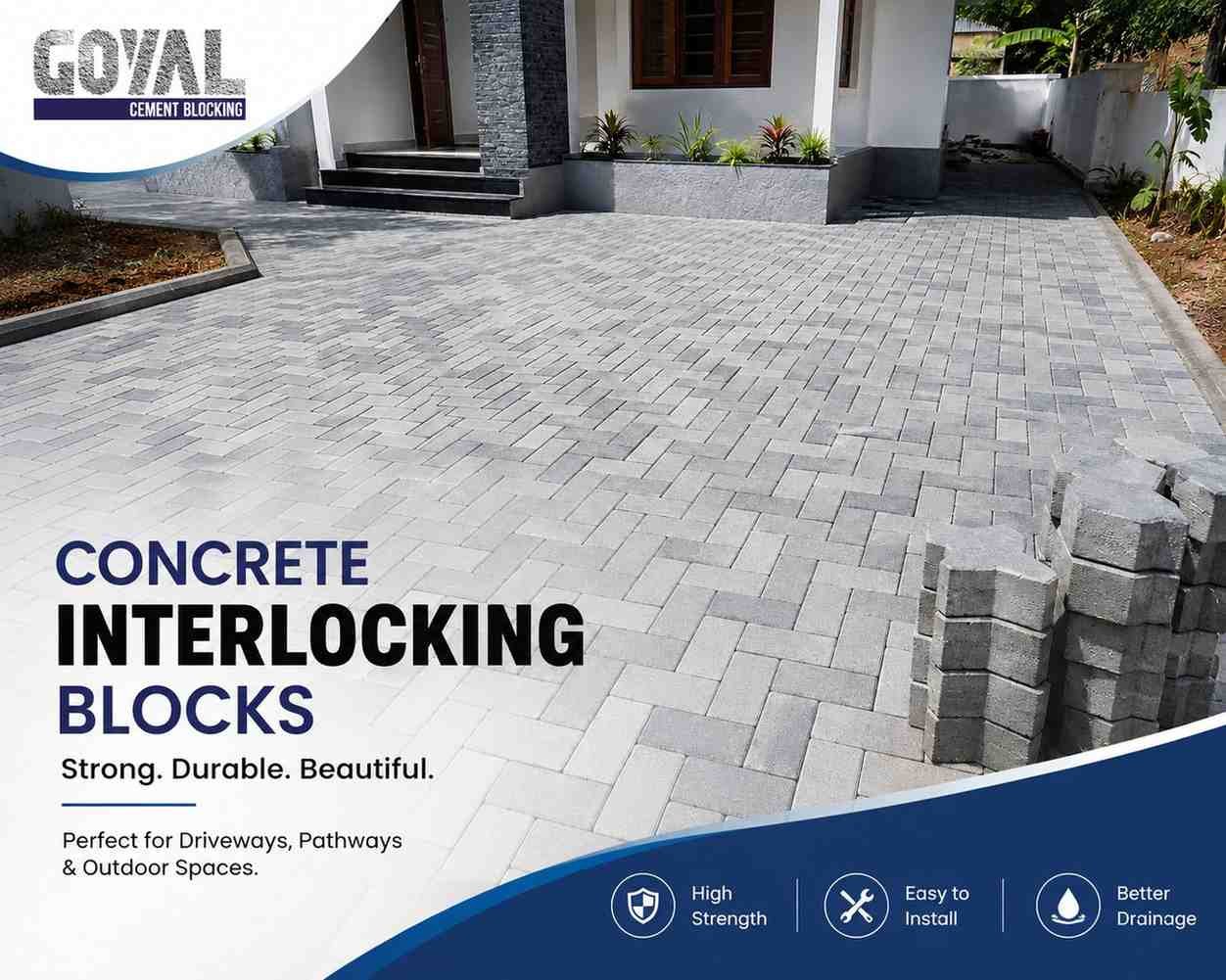
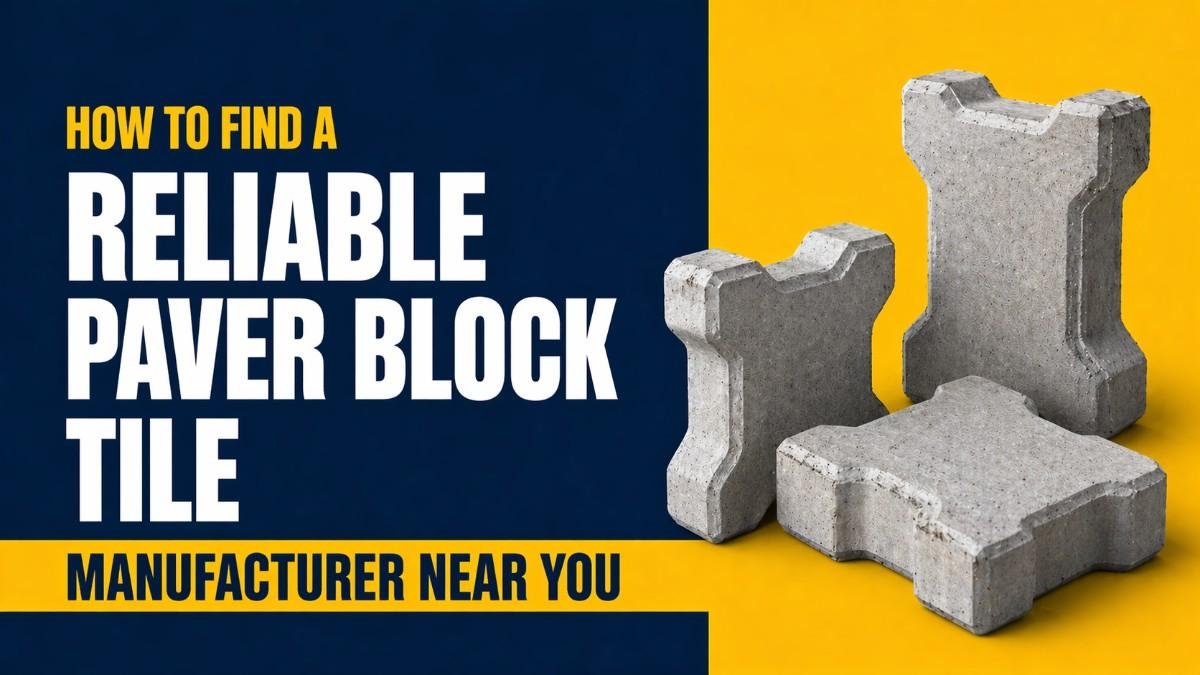
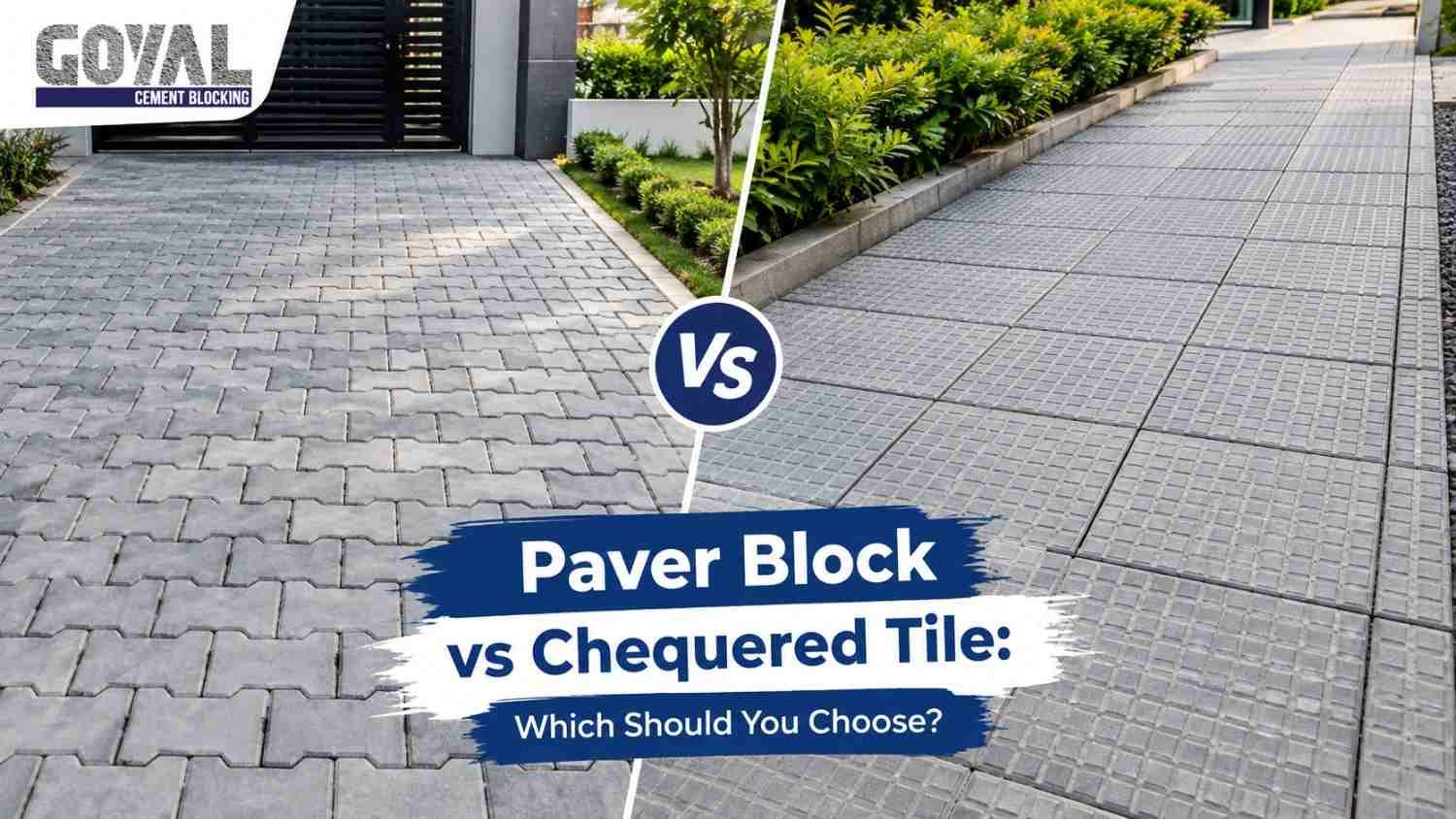
Let's start with the basics. A paver block is a pre-cast concrete unit, usually interlocking in design, used for flooring outdoor areas like driveways, footpaths, parking lots, gardens, and pavements. They're manufactured in a factory setting under controlled conditions, which means the quality, strength, and finish are far more consistent compared to on-site concrete work.
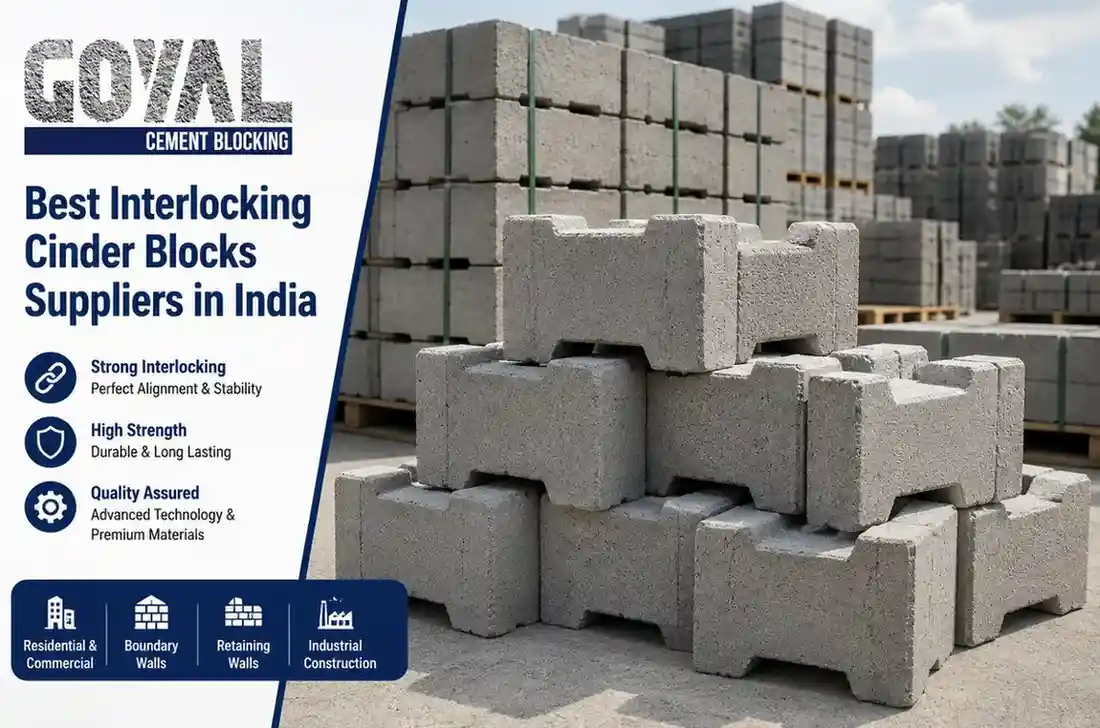
Paver blocks come in a variety of shapes — I-shape, zigzag, hexagon, rectangular, and more — and this interlocking design is actually their biggest strength. Literally. When these blocks lock into each other, they distribute weight evenly across the surface, which is why you'll often see paver blocks used in areas that deal with heavy vehicle movement, like parking lots and industrial yards.
As one of the reliable Paver Blocks Manufacturers, we've noticed that most customers are drawn to paver blocks because of how low-maintenance they are. If one block gets damaged, you don't need to redo the entire floor — you just replace that single piece. That's a huge practical advantage, especially for commercial spaces where downtime means lost business.
What Is a Chequered Tile?
Now let's talk about chequered tiles. These are also concrete-based flooring units, but instead of interlocking shapes, they usually come in square or rectangular slabs with a raised, patterned (chequered) surface. The pattern isn't just for looks — it actually serves a functional purpose by improving grip and reducing slipperiness, especially in wet conditions.
Concrete Chequered Tiles are widely used in areas like footpaths, terraces, staircases, ramps, and even industrial flooring where anti-skid properties are important. Unlike paver blocks, chequered tiles are typically laid as flat slabs rather than interlocked, which gives a slightly different visual finish — more uniform and grid-like.
If you've walked through a hospital corridor, a factory floor, or a rooftop terrace and noticed that slightly rough, patterned surface underfoot, there's a good chance it was a chequered tile.
Paver Block vs Chequered Tile: Key Differences
Let's get into the actual comparison now, because this is what really matters when you're making a decision.
1. Strength and Load-Bearing Capacity
Paver blocks are generally thicker and denser, which makes them ideal for areas that experience heavy loads — think truck movement, car parking, or industrial zones. Their interlocking design also helps them handle pressure better because the load spreads across multiple connected blocks instead of sitting on just one point.
Chequered tiles, while strong, are more commonly suited for light to moderate foot traffic areas. They're not usually the first choice for spaces where heavy vehicles will be driving over them regularly.
2. Surface Grip and Safety
This is where chequered tiles really shine. Their raised pattern design offers better slip resistance, which makes them a smart choice for wet or slippery areas like poolside walkways, bathrooms, ramps, and staircases.
Paver blocks, depending on the finish, can be smoother, which means they might not offer the same level of grip in constantly wet conditions — though some paver block designs do come with textured finishes too.
3. Installation Process
Paver block installation involves laying individual interlocking units on a prepared sand or aggregate base. It's relatively quick, doesn't require heavy mortar work, and allows for some flexibility if the ground shifts slightly over time — the blocks can move a little without cracking.
Chequered tiles, on the other hand, are usually laid with mortar or adhesive, similar to how regular flooring tiles are installed. This method can take a bit more time and requires a more even, prepared base.
4. Maintenance and Repair
We touched on this earlier, but it's worth repeating — paver blocks are much easier to maintain. Since they're individual interlocking pieces, damaged sections can be lifted out and replaced without disturbing the rest of the flooring.
With chequered tiles, since they're often set with mortar, replacing a damaged tile can be a bit more involved and may leave visible patch marks if not done carefully.
5. Aesthetic Appeal
This one really comes down to personal preference and the nature of the space. Paver blocks offer a wide range of shapes, colors, and patterns, giving you more creative flexibility for driveways, gardens, and walkways. Chequered tiles give a cleaner, more structured, grid-like appearance that works well for formal or industrial-looking spaces.
6. Cost Consideration
Generally speaking, paver blocks can be slightly more cost-effective for large outdoor areas because of faster installation and lower long-term maintenance costs. Chequered tiles might involve slightly higher installation labor due to the mortar-laying process, though the material cost itself is often comparable.
Quick Comparison Table
| Factor | Paver Blocks | Chequered Tiles |
|---|---|---|
| Best For | Driveways, parking, heavy traffic | Footpaths, terraces, wet areas |
| Slip Resistance | Moderate (varies by finish) | High |
| Load Capacity | High | Moderate |
| Installation | Interlocking, sand-based | Mortar/adhesive-based |
| Repair | Easy, individual replacement | Slightly complex |
| Flexibility with Ground Movement | High | Low |
| Aesthetic Variety | Wide range of shapes/patterns | Uniform, grid-style finish |
So, Which One Should You Actually Choose?
Here's the honest answer — there's no single "better" option. It genuinely depends on where and how you plan to use it.
Go with paver blocks if:
- You're flooring a driveway, parking area, or space with vehicle movement
- You want flexibility to replace individual damaged pieces easily
- You prefer a variety of design options and interlocking patterns
- Your area experiences some ground movement or settling over time
Go with chequered tiles if:
- You need better slip resistance, especially in wet or high-footfall areas
- You're working on terraces, ramps, staircases, or poolside flooring
- You want a clean, uniform, grid-patterned finish
- The area mainly deals with foot traffic rather than heavy vehicles
In many projects, we've actually seen people use a combination of both — paver blocks in the driveway and parking zones, and chequered tiles on walkways, terraces, or areas closer to water usage. There's nothing wrong with mixing the two based on functional needs across different sections of the same property.
Why Quality Manufacturing Matters More Than the Material Itself
Here's something a lot of people overlook — regardless of whether you choose paver blocks or chequered tiles, the actual quality of manufacturing plays a bigger role in performance than people realize.
Poorly cured concrete, wrong cement-to-aggregate ratio, or inconsistent thickness can cause either product to fail early, no matter how good the design looks. This is exactly why working with an experienced and trusted name matters.
At Goyal Cement Blocking, we manufacture both paver blocks and chequered tiles using properly graded concrete mixes, controlled curing processes, and consistent quality checks — because we understand that flooring isn't something you want to redo every couple of years. As established Paver Blocks Manufacturers, our focus stays on strength, durability, and finish quality that actually holds up to real-world site conditions, not just showroom samples.
Whether you're a contractor sourcing bulk material for a large project, or a homeowner planning your driveway, choosing a manufacturer who understands local weather conditions, load requirements, and site-specific needs makes a real difference in how long your flooring lasts.
Common Mistakes People Make While Choosing
Before you finalize your decision, here are a few mistakes worth avoiding:
- Choosing based only on looks — A beautiful pattern won't matter much if it cracks under vehicle load within a year.
- Ignoring the base preparation — Both paver blocks and chequered tiles need a properly prepared base. Skipping this step is one of the biggest reasons for early flooring failure.
- Not considering water drainage — Areas prone to water logging need proper slope and drainage planning, regardless of which material you choose.
- Buying from unreliable sources — Cheaper isn't always better. Substandard concrete blocks may save money upfront but cost much more in repairs later.
Final Thoughts
At the end of the day, both paver blocks and chequered tiles have their own strengths, and the right choice really comes down to understanding your specific space, usage, and priorities. If durability under heavy load is your main concern, paver blocks are usually the safer bet. If slip resistance and a clean finish for foot-traffic areas is your priority, chequered tiles are hard to beat.
Whatever you decide, make sure you're sourcing your material from a manufacturer that prioritizes quality over shortcuts. That's exactly what we focus on at Goyal Cement Blocking — reliable, well-manufactured concrete products that are built to last, not just built to sell.
If you're still unsure which option suits your project best, feel free to reach out to our team. We're always happy to guide you based on your actual site conditions rather than just pushing a product.
Frequently Asked Questions
1. Can paver blocks and chequered tiles be used together in the same property?
Yes, absolutely. Many people use paver blocks for driveways and parking zones, while using chequered tiles for terraces, walkways, or areas near water bodies.
2. Which is more durable — paver blocks or chequered tiles?
Both are durable when manufactured with proper quality standards. Paver blocks generally handle heavier loads better, while chequered tiles perform well in high-footfall, wet-prone areas.
3. Are paver blocks more expensive than chequered tiles?
Costs can vary based on design, thickness, and project size, but paver blocks often work out more economical for larger areas due to faster installation and easier long-term maintenance.
4. How long do paver blocks and chequered tiles typically last?
With proper installation and good quality material, both can easily last 15-20 years or more, depending on usage and maintenance.
5. Do I need professional installation for both?
While both can technically be self-installed for small areas, professional installation is recommended for driveways, commercial spaces, and larger projects to ensure proper base preparation and longevity.
Frequently Asked Questions
Quick answers to what people usually ask.