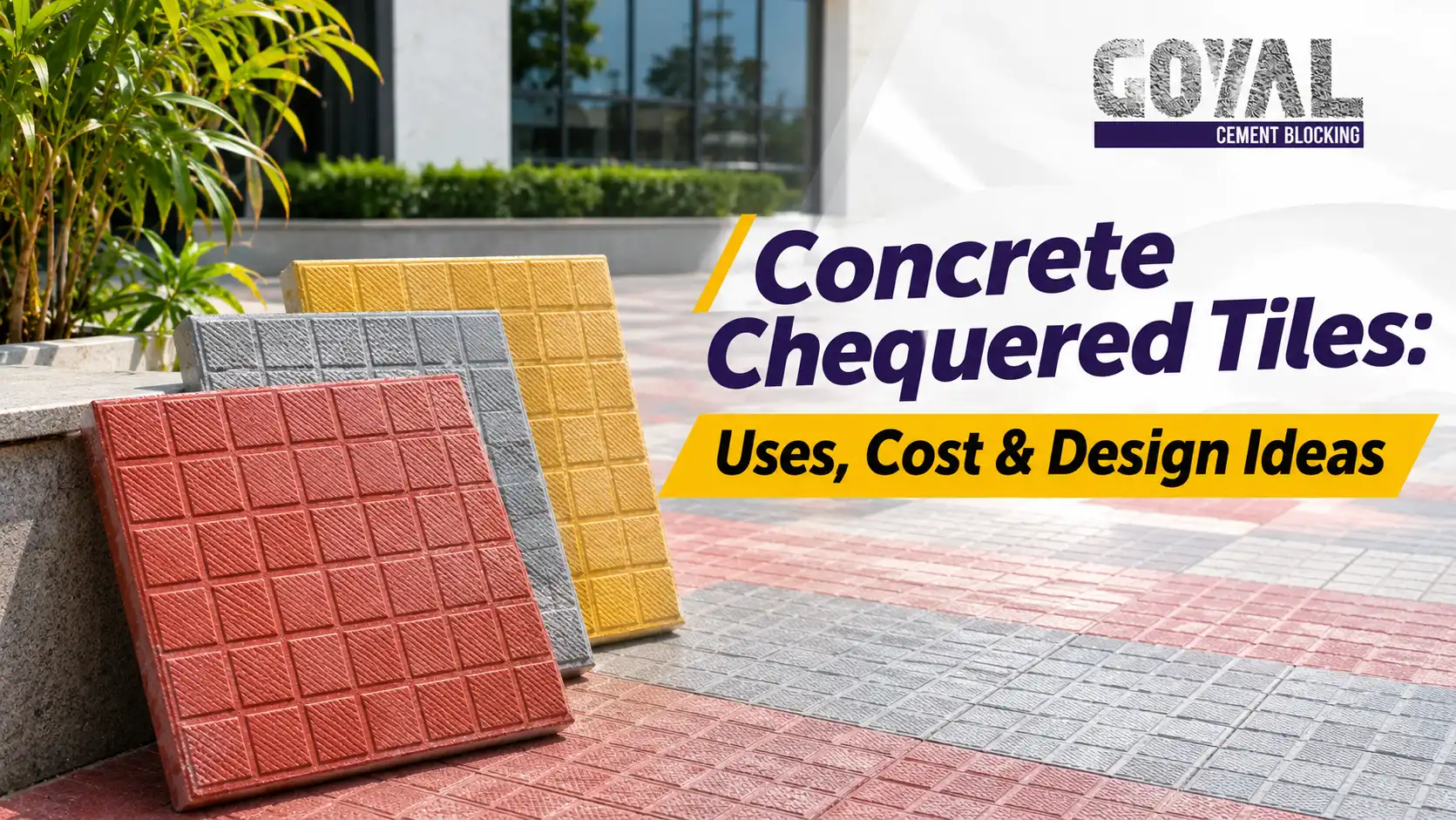
Walk through a factory yard, a parking ramp or a public footpath and you will often step on a surface with a raised chequered pattern. These are concrete chequered tiles, precast tiles made with a grid of small raised squares or lines on the face. The pattern is not decoration. It gives your feet and tyres extra grip, and it helps water drain off the surface instead of sitting in a film.
This guide explains where concrete chequered tiles are used, what affects their cost, which colour and layout ideas work well, how they are laid and how to look after them. It is written for builders, architects, facility managers and homeowners who want a durable, low maintenance floor. Goyal Cement Blocking makes concrete chequered tiles at our plant in Palwal, Haryana, so the notes below reflect what matters when you buy and install them.
What Are Concrete Chequered Tiles?
A concrete chequered tile is a precast slab, usually square, made from cement, aggregates and sometimes pigment. It is cast in a mould that leaves a chequered or waffle texture on the top surface, then cured until it reaches the required strength. Because the tile is made in a controlled setting, its size and thickness stay consistent, which makes laying faster and the finished floor more even.
These tiles are often called chequered tiles, cement chequered tiles or precast cement concrete chequered tiles. Whatever the name, the idea is the same: a strong, textured and economical floor surface for places that see steady use.
Where Concrete Chequered Tiles Are Used
Their grip and strength make them a practical choice in many settings.
- Factory floors, workshops and warehouses where trolleys and forklifts move.
- Car parks, ramps and slopes where grip matters in wet weather.
- Footpaths, pavements and public walkways.
- Terraces, rooftops and balconies that need a non slip finish.
- Loading bays, entrances and service areas.
- Housing societies, schools, hospitals and commercial complexes.
Our article on why concrete chequered tiles suit heavy duty flooring goes deeper into the industrial case.
Why the Chequered Surface Matters
A smooth tile looks neat when dry and can turn slippery when wet. The raised chequered pattern breaks the contact between a wet shoe and the tile, which improves grip. The channels between the raised squares also carry water away. No surface is completely slip proof, and algae, oil or fine dust can reduce grip on any floor, but a textured tile gives you a better starting point than a plain one.
Concrete itself is also fire safe, does not rot and does not need frequent replacement. For outdoor areas that face sun, rain and foot traffic every day, that durability is a large part of the value.
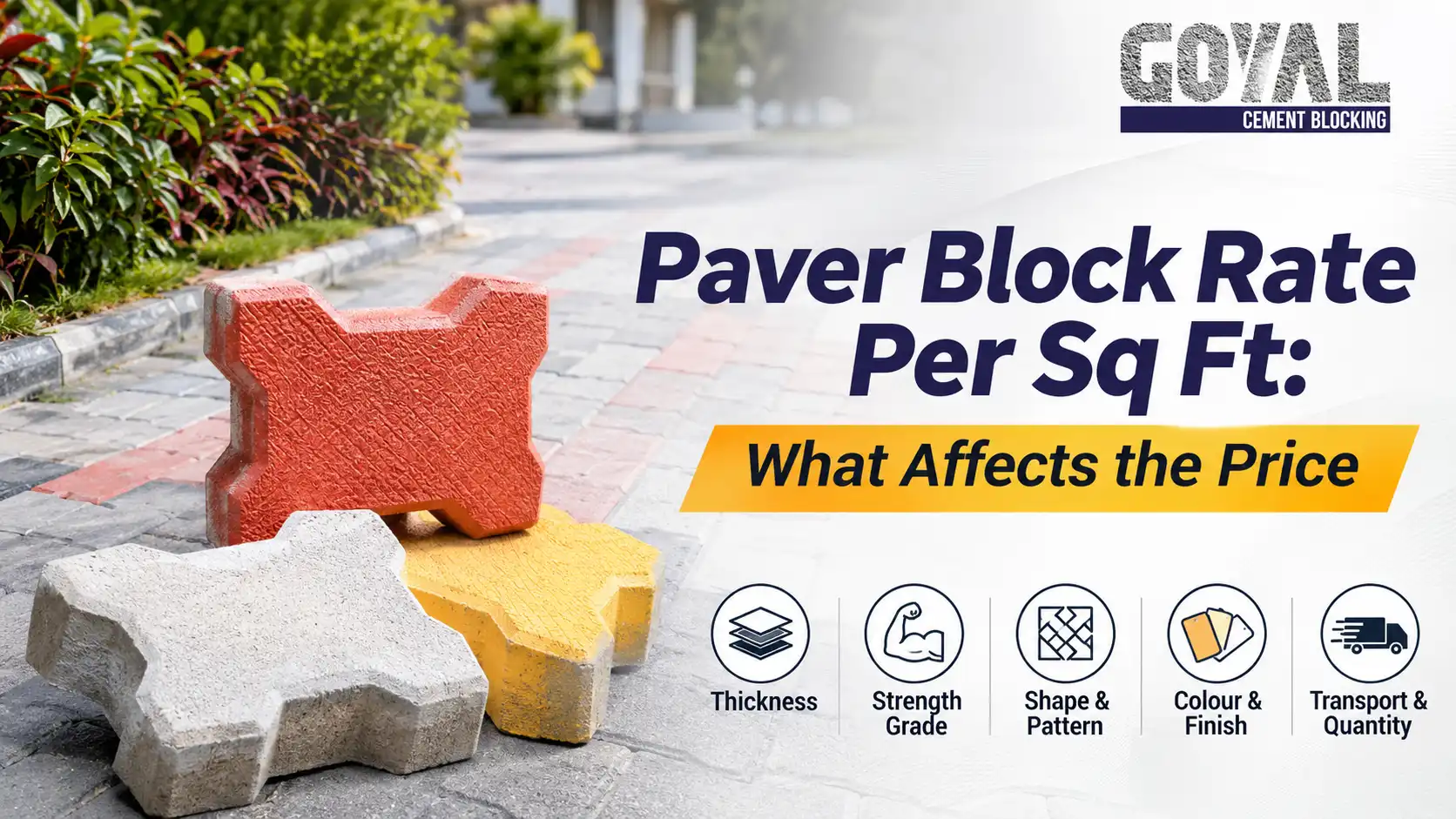
What Affects the Cost of Concrete Chequered Tiles
People often ask for one price, but the cost depends on several linked points. Compare these before you compare quotes.
Size and thickness
Larger and thicker tiles use more material, so they cost more per piece. They also cover more area, so compare on a per square foot or per square metre basis. Thickness should match the load. A pedestrian path needs less than a ramp used by vehicles.
Strength and finish
Higher strength tiles suit heavier use and cost more to produce. A smoother edge or a special finish can also add to the price.
Colour
Natural grey is the most economical. Coloured tiles use pigment and need tighter control during production, so the rate is usually higher.
Quantity and transport
A bigger order spreads production and loading costs. Tiles are heavy, so distance from the plant and unloading arrangements are part of the final figure.
Laying and base work
Most quotes cover tiles only. Base preparation, mortar or sand bed, labour and joint filling are separate, unless the supplier states otherwise. Ask for a written breakup so you know exactly what is included.
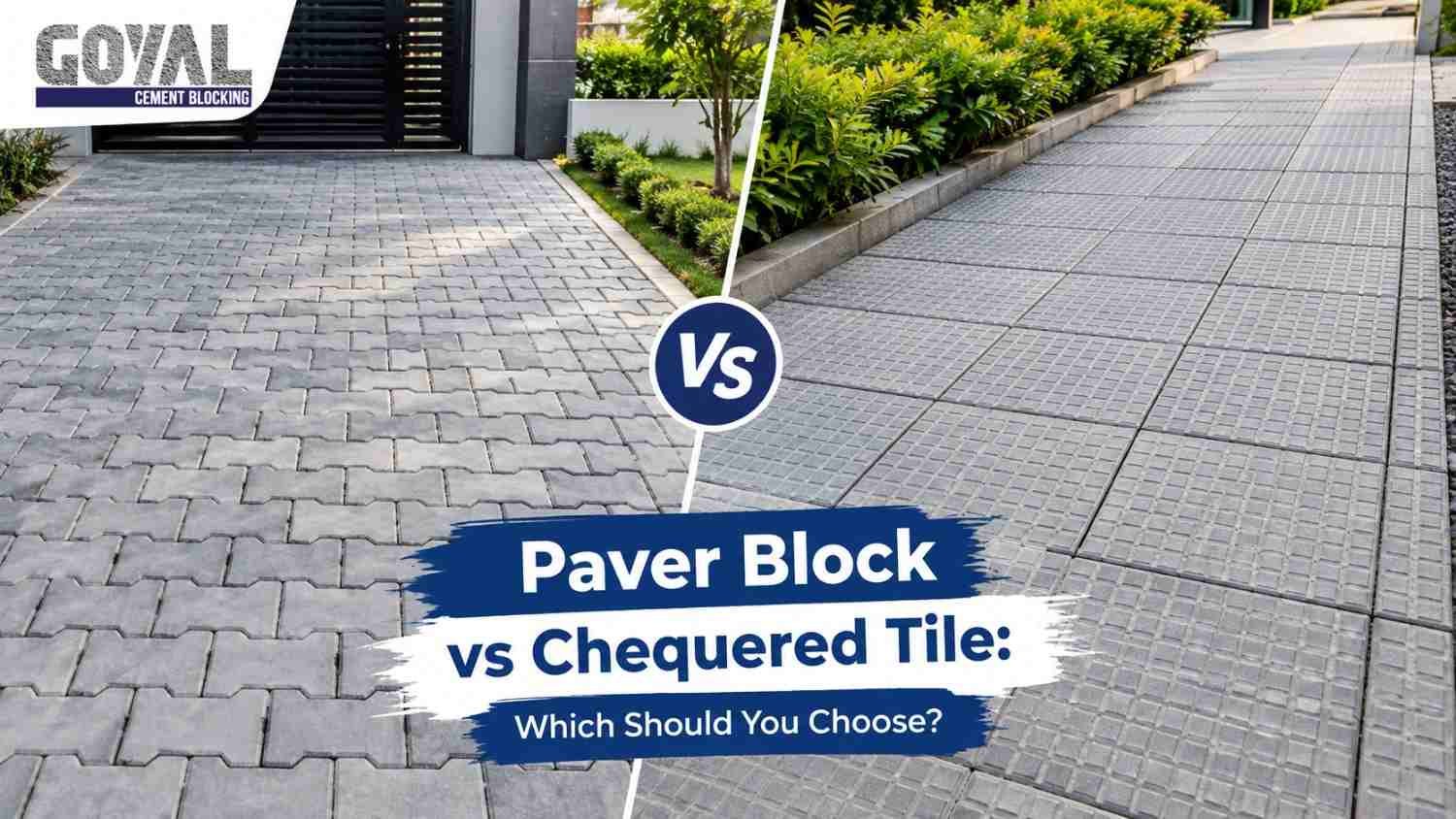
If you are weighing chequered tiles against paving blocks, read our guide on paver block versus chequered tile before you decide. The cheapest option at purchase is not always the cheapest after ten years of use.
Colour and Design Ideas
Chequered tiles do not have to look plain. A few simple choices can lift the look of a floor without adding much cost.
- Contrast borders: a border in a darker or lighter colour frames the area and hides cut edges.
- Two colour layouts: alternating colours create a checkerboard effect for entrances and courtyards.
- Diagonal laying: placing tiles at a 45 degree angle makes a small area look larger and more dynamic.
- Zoning: using one colour for walkways and another for parking bays guides movement and looks organised.
- Mixed materials: pairing chequered tiles with paver blocks gives a layered look in gardens and driveways.
Good colour planning starts with the use of the area. Bright colours help mark safe walking zones in industrial sites, while softer shades suit residential terraces and gardens.
How Concrete Chequered Tiles Are Laid
The finished floor is only as good as the base underneath. The steps below describe a typical approach, and your contractor may adjust them for your site.
- Prepare the base. Clear the area, compact the ground and build a stable, well drained sub base. Weak bases cause settling and cracked tiles.
- Set the levels. Mark the finished level and the slope for drainage before any tile is placed.
- Spread the bedding. Lay a cement mortar bed or a sand bed, depending on the design and the use of the area.
- Place the tiles. Set each tile firmly, keep joints even and check levels often.
- Fill the joints. Fill with cement slurry or sand, as the design requires.
- Cure and protect. Keep the surface protected until the bedding has set and traffic can begin.
Always ask the supplier or designer for installation guidance that fits your load and climate. Tiles for a vehicle ramp need a stronger base than tiles for a garden path.
Care and Maintenance
Concrete chequered tiles are low maintenance, but a little care keeps them safe and attractive. Sweep dust and leaves regularly, wash with water and a mild detergent, and scrub the texture lightly with a soft brush. Avoid strong acids, which can damage the surface. Clean oil spills quickly so they do not stain or reduce grip. Our blog with easy cleaning tips for cement concrete chequered tiles covers stains and routine washing in more detail.
Concrete Chequered Tiles or Paver Blocks?
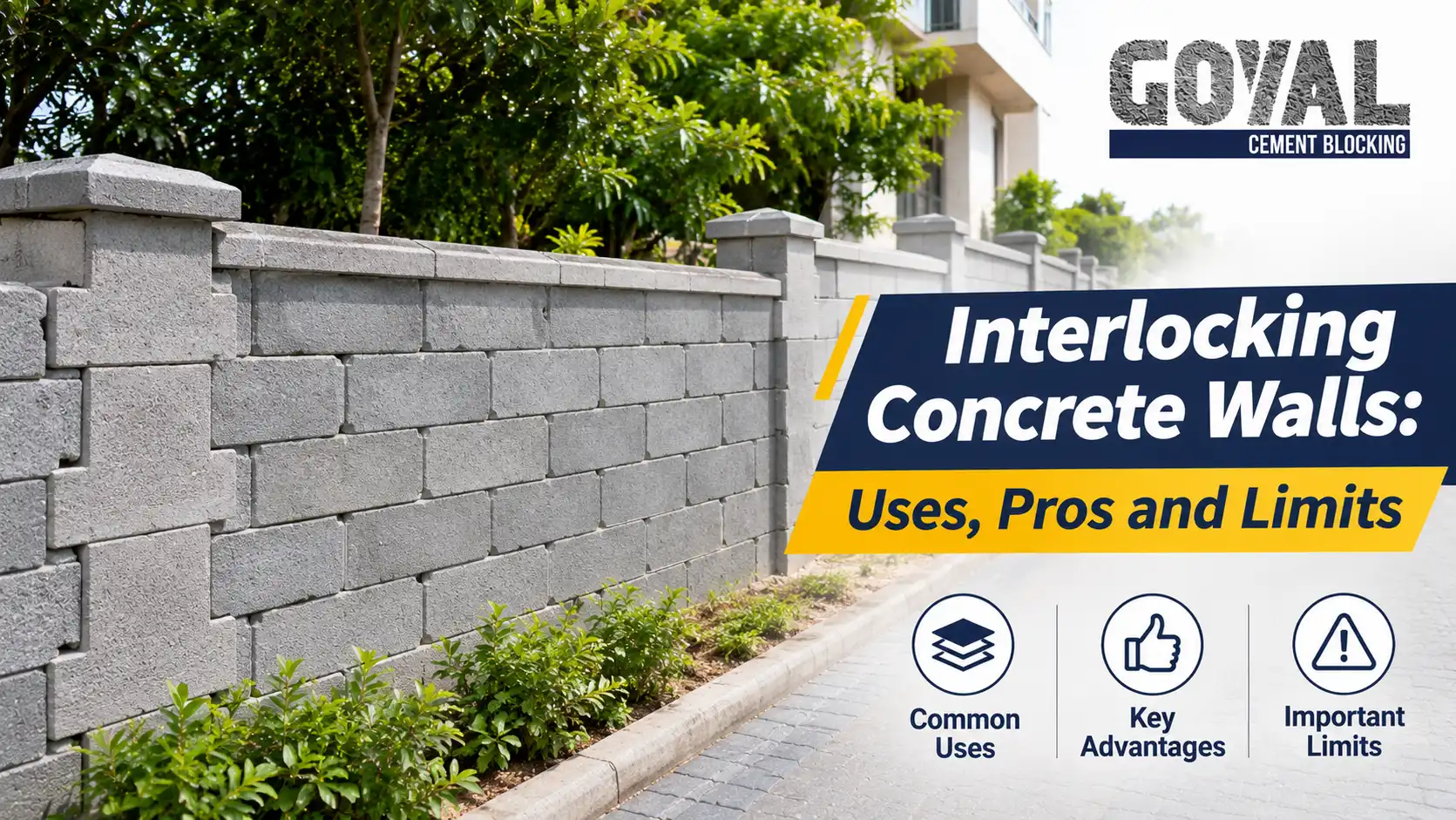
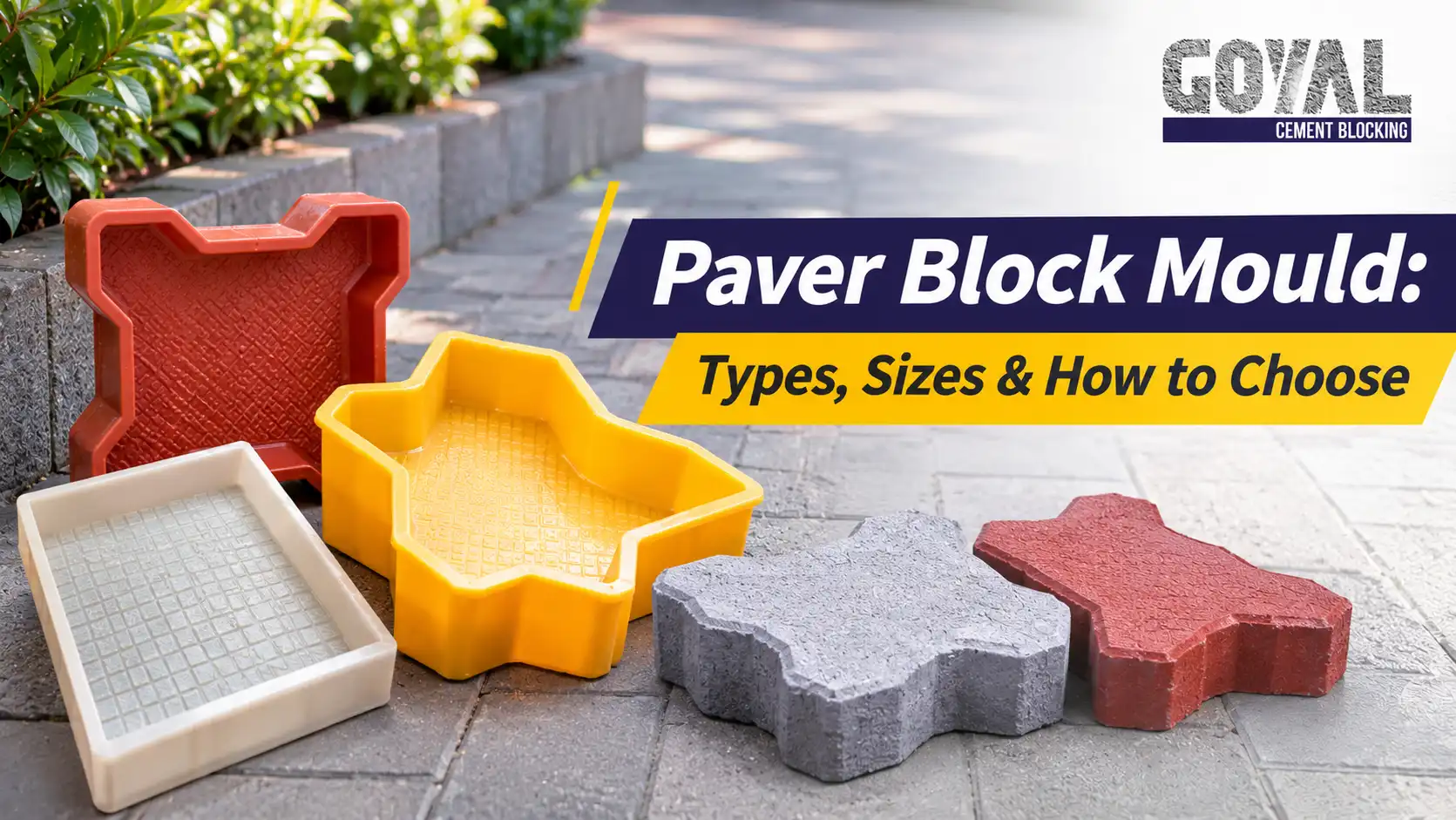
Both are precast concrete products, and both are widely used outdoors. Chequered tiles are flat, textured slabs that are good for walkways, terraces and light duty areas. Paver blocks are thicker and interlock with their neighbours, which helps them carry vehicle loads. If your area sees cars or heavier vehicles, review our paver tile blocks and the buying advice in how to choose the right paver tiles block. For lighter use, chequered tiles often give an economical answer.
Ordering Chequered Tiles From Goyal Cement Blocking
To receive a clear quotation, send us the area to be covered, the use of the area, the preferred size, thickness and colour, and the delivery location. Our team will suggest a suitable tile and share a rate you can compare with other offers. You can reach us through our contact page, and you can also see our wider range on the products page.
Common Problems and How to Avoid Them
Most complaints about tile floors trace back to a few repeated causes. Knowing them in advance saves time and money.
- Cracked tiles: usually caused by a weak or uneven base, or by a tile that is too thin for the load. Match thickness to use and compact the base well.
- Uneven surface: caused by poor levelling during laying. Check levels often and use a string line for long runs.
- Water pooling: caused by missing slope. Plan the drainage direction before laying begins.
- Colour mismatch: caused by mixing batches. Order the full quantity together, and keep a small spare stock for repairs.
- Edge chipping: caused by rough handling or loose edges. Unload with care and use edge restraints at open sides.
Before accepting a delivery, check a few tiles for uniform size, clean edges and a dense surface. Reject pieces with cracks or large voids. A short inspection at the gate is much cheaper than lifting a laid floor later.
Key Points to Remember
Concrete chequered tiles combine grip, strength and low maintenance at a sensible cost. Choose the thickness that matches your load, compare quotes on the same basis, plan colours for the way the space is used, and prepare a solid base. Do these four things and the floor will serve you well for many years.
Planning a new floor? Tell us about your area and use, and we will help you pick the right tile. Contact Goyal Cement Blocking today.
Frequently Asked Questions
Quick answers to what people usually ask.