Every builder, contractor, and site engineer knows that the real strength of an RCC structure lies in the details. The steel bars, the concrete mix, the curing process, and yes, even the small spacer blocks that hold everything in place.
If you are searching for PVC cover blocks online in India and are not sure where to start, what to look for, or who to trust, you are in the right place.
This guide covers everything you need to know about PVC cover blocks, from what they are and why they matter, to how to buy the right ones and where to find a reliable supplier in India.
What Are PVC Cover Blocks?
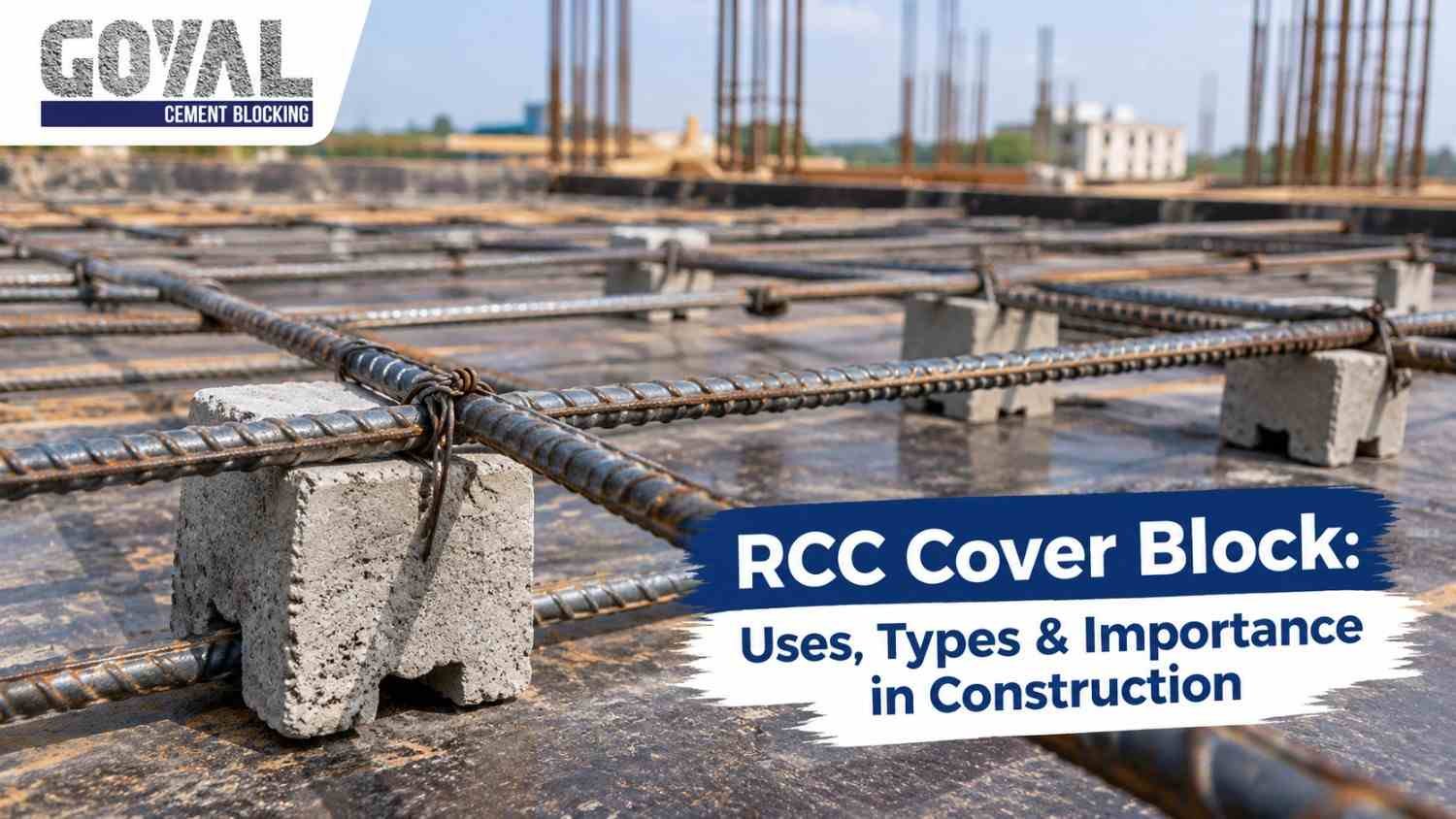
PVC cover blocks are small plastic spacer blocks used in reinforced cement concrete (RCC) construction. They are placed between the steel reinforcement bars and the formwork to maintain a fixed distance, known as the concrete cover, before the concrete is poured.
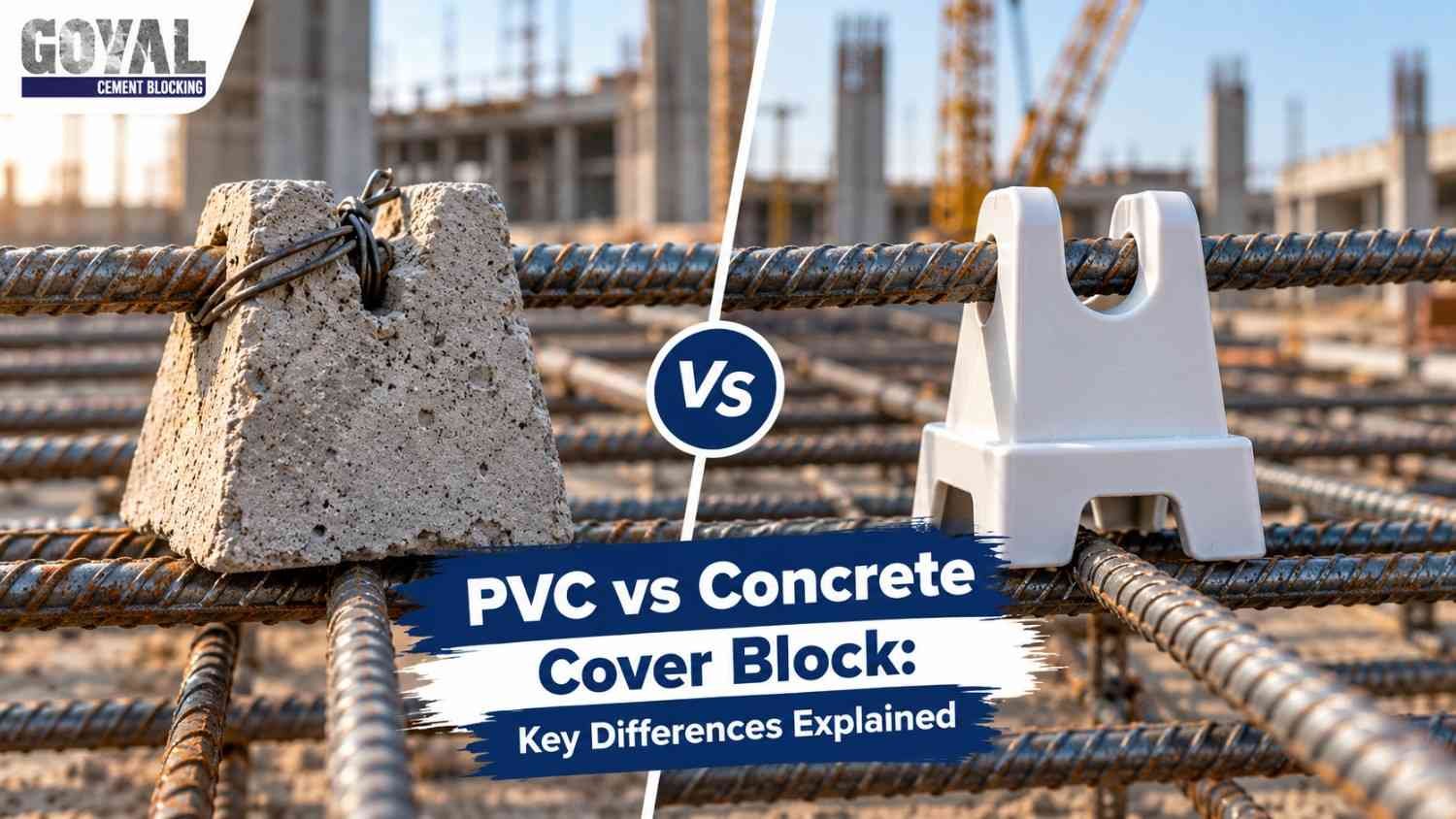
Unlike concrete cover blocks, which are made from cement mortar, PVC cover blocks are manufactured from high-density polyvinyl chloride (PVC) plastic. This makes them lightweight, moisture-resistant, and easy to handle on site.
They come in various shapes, the most common being circular chair-type blocks and rectangular blocks, and in standard cover depths ranging from 15mm to 75mm.
In simple terms, a PVC cover block does the same job as a concrete cover block but with some added advantages that make it the preferred choice for many modern construction projects.
Why PVC Cover Blocks Matter in RCC Construction
Before you buy any construction material, it helps to understand why it exists and what happens when you skip it or use a poor-quality version.
In RCC work, the steel reinforcement bars carry the tensile load. The concrete carries the compressive load. Together, they form a structure that is both strong and flexible. But for this partnership to work, the steel must be positioned correctly inside the concrete.
If the steel bars sit too close to the surface, moisture and oxygen reach them quickly. This causes corrosion and rust, which expands the steel and cracks the concrete from within. You may not see it happening, but over 5 to 10 years, the damage becomes visible and very expensive to fix.
PVC cover blocks solve this problem by holding the steel at the exact required distance from the surface, every single time.
Here is why builders and engineers choose PVC cover blocks specifically:
- They do not absorb water, so they add no moisture risk to the structure
- They are chemically inert and do not react with cement or steel
- Their smooth plastic surface does not create rust stains or marks on finished concrete
- They are lightweight, making them easy to carry, distribute, and place on large sites
- They snap or tie onto reinforcement bars easily, staying in position during concrete pouring
- They are available in consistent, precise sizes, removing all guesswork from cover depth
Types of PVC Cover Blocks Available in India
When you search for PVC cover blocks online, you will find a few different types. Knowing the difference helps you order the right product for your specific application.
Circular Chair Type PVC Cover Blocks
These are the most widely used type. They have a circular disc shape with a slot or groove at the top that grips the reinforcement bar. They sit flat on the formwork and hold the rebar at a fixed height.
They are ideal for slab and beam work where the rebar needs to be supported from below.
Rectangular PVC Cover Blocks
These are simple block-shaped spacers, similar in function to concrete cover blocks but made from PVC. They are placed under or beside the rebar to maintain the cover on the bottom or sides of the concrete element.
They are commonly used in columns, walls, and retaining structures.
Wheel or Spider Type PVC Spacers
These are used for maintaining spacing on the sides of reinforcement cages, particularly in columns and piles. They clip onto the bars and keep the cage centred inside the formwork so that cover is maintained on all sides equally.
Standard Cover Depths for PVC Cover Blocks
Choosing the right size cover block is not a matter of preference. It is a matter of engineering requirement. IS 456:2000 (the Indian Standard code for plain and reinforced concrete) specifies minimum cover requirements based on the structural element and exposure condition.
| Structural Element | Minimum Cover Required |
|---|---|
| Slabs | 15mm to 20mm |
| Beams | 25mm to 30mm |
| Columns | 40mm |
| Foundations | 50mm |
| Retaining Walls | 40mm to 50mm |
| Piles and Underground Structures | 50mm to 75mm |
Always check the structural drawings and IS code requirements before ordering. A reputable supplier will also be able to guide you on the correct size for your project.
How PVC Cover Blocks Are Used in Different RCC Applications
In Slab Work
For roof slabs and floor slabs, PVC cover blocks are placed under the bottom reinforcement mesh at regular intervals, typically every 500mm to 800mm. They keep the steel at the correct height from the bottom of the formwork so that the minimum concrete cover is maintained below the steel when concrete is poured.
Chair-type PVC cover blocks are especially popular for slab work because they sit stably on the shuttering and hold the mesh firmly in place even when workers walk over it during the pour.
In Beam Work
Beams carry heavy loads from slabs and transfer them to columns. The cover on beam sides and bottom is critical. PVC cover blocks are placed on the sides and bottom of the beam cage to ensure that the stirrups and main bars stay at the right distance from the formwork on all sides.
In Column Reinforcement
Columns are often the most exposed RCC elements, standing in open air and exposed to rain, sun, and temperature changes. Wheel-type or clip-on PVC spacers are fixed around the column cage at regular vertical intervals to keep the steel bars centred inside the column mould.
This ensures consistent 40mm cover all around, as required by IS 456 for columns in moderate exposure conditions.
In Foundation and Footing Work
Foundations sit directly in soil, which often contains salts, sulphates, and moisture. These elements are highly corrosive to steel. Thick PVC cover blocks of 50mm are placed below the footing reinforcement to create a solid protective barrier between the steel and the ground.
Concrete cover blocks are also used for foundations, but PVC options are growing in popularity because of their zero water absorption and longer-lasting positioning stability.
Common Problems When Buying PVC Cover Blocks Online and How to Avoid Them
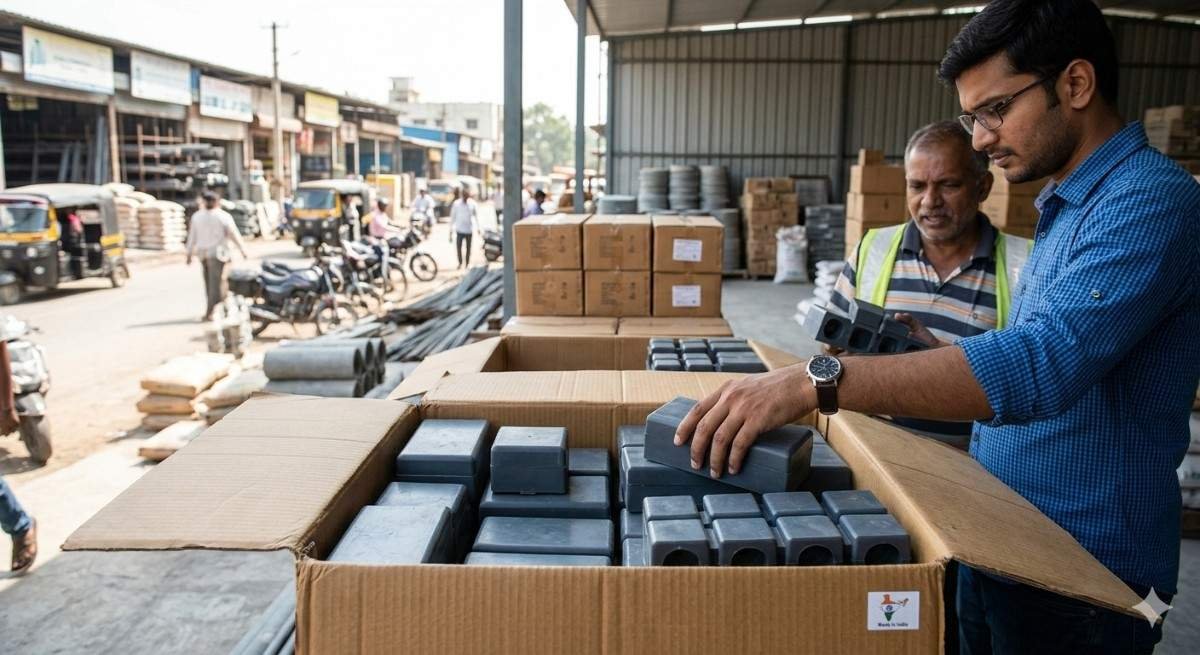
Buying construction materials online in India has become easier over the years. But it also comes with risks if you do not know what to look for.
Problem: Inconsistent sizes. Many low-cost suppliers manufacture PVC cover blocks without strict quality control. The stated size may be 25mm but the actual height varies from piece to piece. This defeats the entire purpose.
Solution: Always buy from a manufacturer who has consistent production standards and can share product specifications. Ask for a sample before placing a bulk order.
Problem: Brittle or low-grade plastic. Cheap PVC blocks crack or break under the weight of the reinforcement cage or the pressure of fresh concrete. Once they break, the steel shifts and the cover depth is lost.
Solution: Choose suppliers who use high-density, high-quality PVC material. The block should not crack when pressed firmly by hand.
Problem: No grip on reinforcement bars. Some cover blocks have shallow grooves that do not grip the steel bars properly. During pouring, the bars shift out of position.
Solution: Look for blocks with well-designed grooves or wire-tie holes that allow the block to be secured firmly to the reinforcement.
Problem: Buying the wrong size. A common mistake is ordering based on habit rather than checking the project's structural requirements. Using a 20mm block where 40mm is needed leaves the steel dangerously close to the surface.
Solution: Always refer to your structural drawings and IS 456:2000 before placing an order. If unsure, consult your site engineer.
What to Check Before Buying PVC Cover Blocks Online in India
Here is a quick checklist to use before placing any online order:
- Verify the exact size needed based on structural drawings
- Check if the supplier provides standard sizes as per IS codes
- Ask about the grade and quality of PVC material used
- Confirm the minimum order quantity for bulk purchases
- Check if the supplier can deliver to your site location
- Ask for product samples or quality certification if available
- Compare pricing but do not compromise quality for cost savings
Where to Buy Durable PVC Cover Blocks in India: Why Goyal Cement Blocking is a Trusted Choice
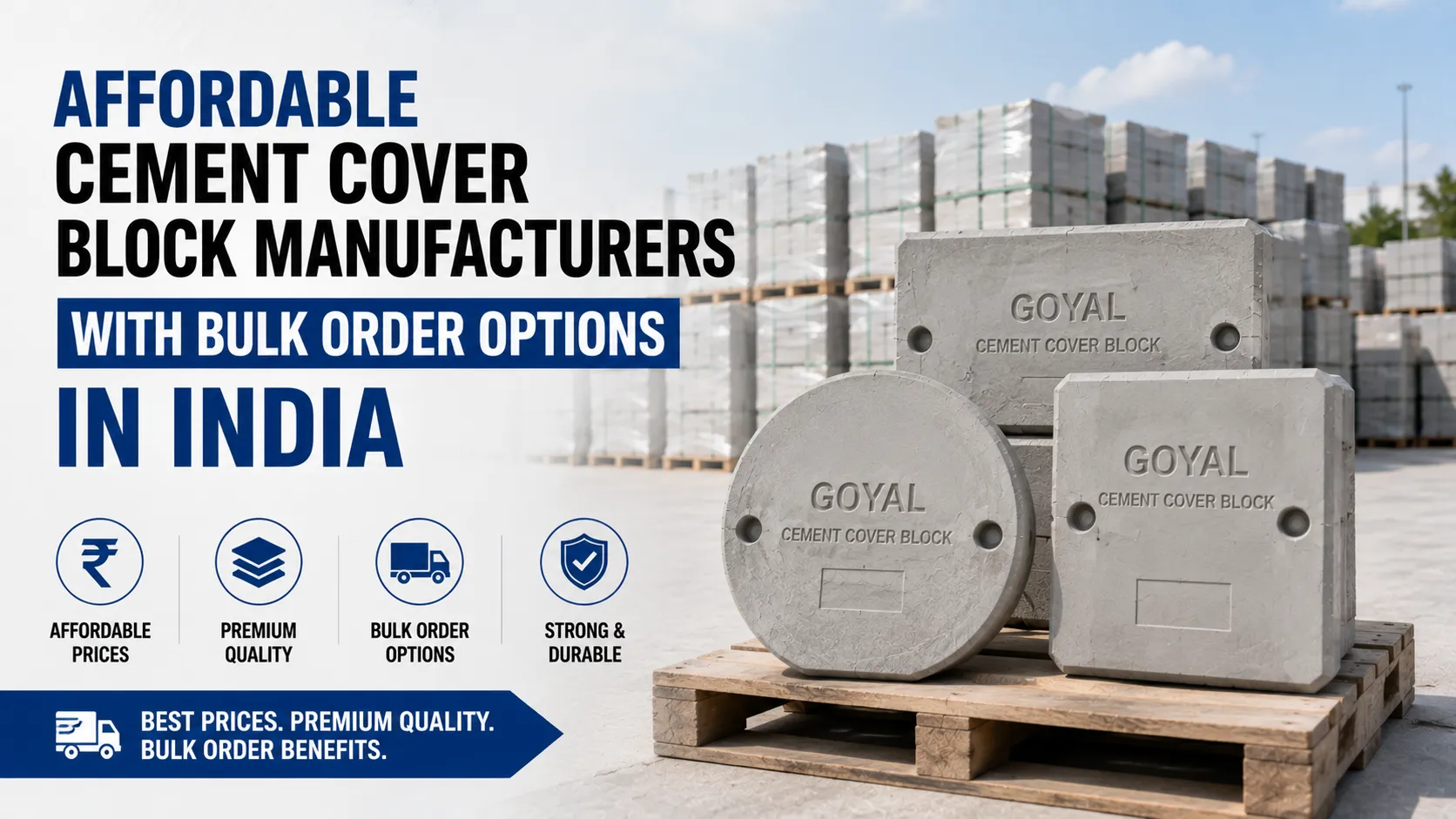
If you are looking for a reliable source to buy PVC cover blocks in India, Goyal Cement Blocking (GCB) is a name worth knowing.
Based in Hodal, Haryana, Goyal Cement Blocking has been manufacturing and supplying high-quality cover blocks for over 8 years. They supply to some of the most recognised construction companies in India, including L and T, Tata Projects, IndianOil, AFCONS, NCC, ISGEC, and many more.
Here is what makes GCB stand out when it comes to PVC cover blocks:
- Manufactured using high-density PVC for strength and longevity
- Available in all standard sizes from 15mm to 75mm to match any project requirement
- Consistent sizing across every batch, so your cover depth is always accurate
- Suitable for slabs, beams, columns, foundations, and piling work
- Trusted and regularly ordered by large contractors and infrastructure project managers
- Covers supply requirements for projects across North India including Haryana, Delhi NCR, Rajasthan, and UP
- Easy enquiry and order process through their website or direct phone contact
For those looking to buy PVC cover blocks online or source them in bulk for ongoing projects, GCB provides reliable supply, competitive pricing, and the product consistency that site engineers depend on.
You can reach Goyal Cement Blocking at goyalcementblocking.com or call +91 8307066683 to discuss your project requirements and get a quote.
Frequently Asked Questions
Q1. What is the difference between PVC cover blocks and concrete cover blocks?
Both serve the same purpose of maintaining concrete cover over reinforcement. PVC cover blocks are made from plastic, making them lighter and water-resistant. Concrete cover blocks are made from cement mortar and are generally more economical. For projects where moisture exposure is high or surface finish matters, PVC is often the better choice.
Q2. Are PVC cover blocks suitable for all types of RCC structures?
Yes. PVC cover blocks are used in slabs, beams, columns, foundations, retaining walls, and piling work. You just need to select the right type (chair, rectangular, or wheel type) and the correct size based on the cover requirement.
Q3. How do I know which size PVC cover block to order?
Refer to your project's structural drawings and IS 456:2000. The code specifies minimum cover requirements for different elements and exposure conditions. Your site engineer or structural consultant can confirm the correct size.
Q4. Can PVC cover blocks be used in aggressive soil conditions?
Yes. PVC is chemically inert, meaning it does not react with sulphates, chlorides, or other chemicals commonly found in soil. This makes PVC cover blocks an excellent choice for foundation and underground construction in aggressive soil environments.
Q5. How many PVC cover blocks are needed for a typical slab?
A general rule of thumb is to place cover blocks every 500mm to 800mm in both directions. For a 100 square metre slab, you would typically need between 200 to 400 blocks depending on reinforcement spacing and site conditions. Your site engineer can calculate the exact quantity.
Conclusion
PVC cover blocks may be small, but their role in protecting the integrity of an RCC structure is enormous. From slabs and beams to columns and foundations, they ensure that your reinforcement stays exactly where it should be, and that moisture, chemicals, and environmental stress cannot compromise your steel.
When buying PVC cover blocks online in India, do not just search for the lowest price. Look for consistent quality, correct sizing, and a supplier who understands construction requirements.
Goyal Cement Blocking has been doing exactly that for over 8 years, serving top contractors and infrastructure companies across India with reliable, high-quality PVC cover blocks that perform where it matters most, on the construction site.